
Book Review: “Write and Publish Organically”


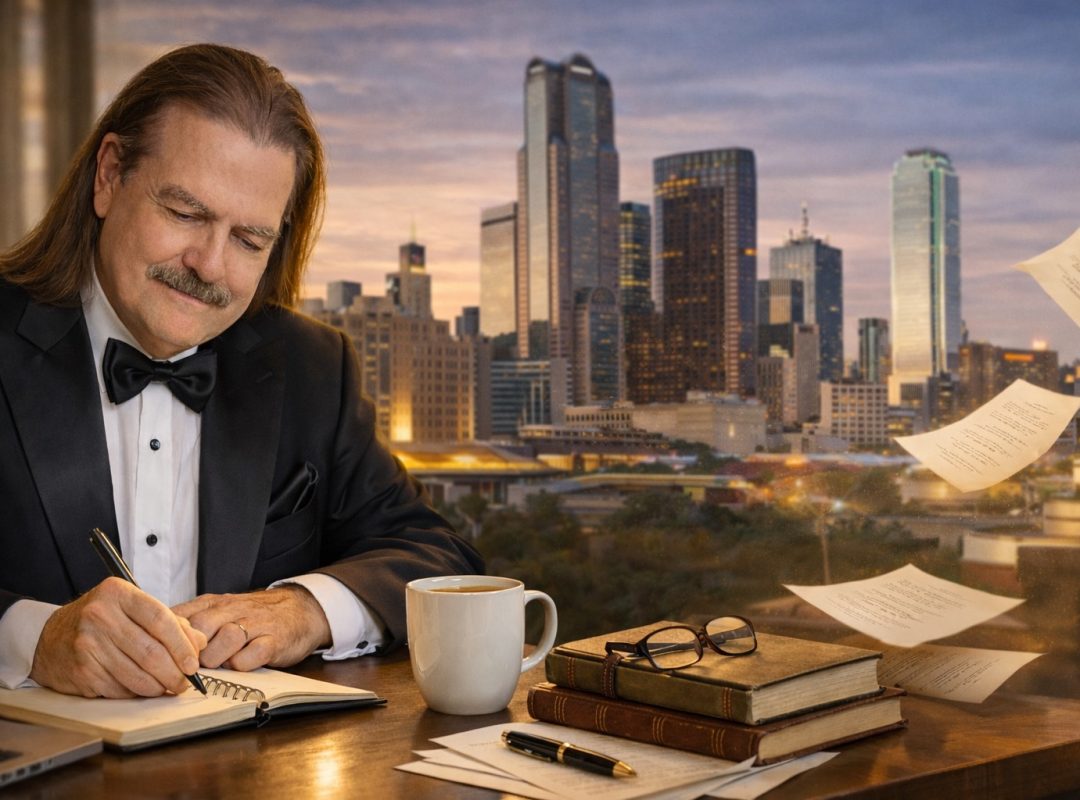
It’s Friday, the first day of November 2024. The morning feels fresh with newness, yet familiar, like stepping into a well-worn path. I was up by 6 AM, my mind already spinning with the day ahead. The last week of September plus October was a time of world travel and letting my beard grow wild. This morning I trimmed it down to a goatee. It feels like a small reset. I’m tidying up as I face the start of another month.
By 7:15, I had settled at my local Starbucks, holding a glass of water in one hand for my morning medications and a tall blonde roast coffee in the other. The aroma of coffee grounds and the gentle hum of morning chatter created a comforting backdrop as I settled in with my thoughts.
After opening my MacBook, I began listening to The Beatles’ “Nowhere Man,” as I do from time to time. You may be wondering why I decided on this song and why it holds such significance for me. During my recent travels I was in Liverpool England in September. I did The Beatles tour. The tour had me thinking on John Lennon’s life.
1n 1965 John Lennon wrote “Nowhere Man”. He was in a period of intense introspection. He was famous, admired, wealthy—by all standards — a man who had “made it.” Yet, amid this success, he questioned his identity and purpose. The song captures his struggle, expressing the unsettling feeling of being adrift despite outward achievements.
For Lennon, fame wasn’t enough; something deeper was missing. In “Nowhere Man,” he reveals the ache of feeling detached, disconnected, and, perhaps, unanchored—a feeling that resonates worldwide. We’ve all had moments where we feel like we’re going through the motions, searching for something elusive that might give life meaning.
Listening to the song reminds me to be cautious, to resist letting life slip into routine without intentional purpose. Lennon’s story is a reminder: he had all the outward markers of success, yet something remained unfulfilled. I don’t want to end up like that. I appreciate his influence on music, culture, and activism, yet I perceive a longing for something more in him. For me, that “something” is purpose—a sense of direction that grounds me.
This idea of purpose brings me back to a time in my life that shaped my outlook. When I was in the tenth grade, my church youth group performed a Christian musical called “Purpose,” written by Jimmy and Carol Owens. Aimed at young people, it explored themes of faith, self-identity, and finding meaning. The storyline followed a group of young people wrestling with their beliefs and discovering their purpose within their Christian faith.
The musical’s message was uncomplicated yet meaningful: our purpose transcends the surface, rooted in a significance. It struck a chord, especially during a period of cultural turmoil and societal transformation. The musical encouraged us, a young audience, to lean into our faith, to look beyond societal expectations, and to find our purpose in something lasting.
Reflecting on that experience now, decades later, I see how it helped to solidify my foundation. For me, faith in Jesus Christ gives life meaning beyond the ebb and flow of external achievements or challenges. I base my purpose not on fame or wealth, but on living in alignment with my faith and values. And so, on this November morning, as I sip my coffee and listen to Lennon’s haunting lyrics, I’m reminded of that grounding truth.
Purpose is something we all seek. It’s what keeps us going, even when the path ahead seems unclear. So, I’ll ask you: do you know your purpose?
Through faith in Christ, I believe I’ve found mine. And it’s a purpose I hold close, reminding me of what matters, even as the world around me changes.
You can find my story of finding purpose here. It is how I became a Christian. Click HERE for my story.
In late January 2020, I found myself nestled in the heart of Texas Hill Country at the charming Sycamore Cabin on HoneyTree Farm in Fredericksburg. This cozy retreat became my home from January 27 to January 30, offering a perfect blend of rustic charm and modern comfort.
The cabin itself was a dream—surrounded by sycamore trees and thoughtfully designed to provide a serene escape from the hustle and bustle of everyday life. Each morning, I woke up to the gentle rustling of leaves and the sight of deer grazing nearby, a reminder of the peacefulness that only nature can offer.
The weather during my stay was brisk and cool, typical of a Texas winter, with temperatures that called for layers and warm drinks by the fire. The chill in the air added a special touch to my time at the cabin, making the experience even cozier.
Exploring Fredericksburg was an adventure in itself. I strolled through the charming downtown area, where historic buildings house an array of unique shops, galleries, and restaurants. One of the highlights was visiting the National Museum of the Pacific War, a sobering and informative experience that offered deep insights into World War II history. I visited but did not indulge in wine tasting at the local vineyards. For wine lovers it’s a must-do in this region known for its thriving wine scene. For teetotaler like me, it’s still fun to visit.
The cooler weather didn’t deter me from enjoying the outdoors. I spent time hiking the nearby Enchanted Rock, a massive pink granite dome that offers breathtaking views of the surrounding Hill Country. The crisp air and quiet trails made the hike both invigorating and meditative.
Evenings were spent back at Sycamore Cabin, where I could relax on the porch with a hot cup of tea, watching the stars emerge in the clear, cold sky. The combination of nature, history, and the warmth of the cabin made this January trip to Fredericksburg truly unforgettable.
If you’re seeking a winter getaway that blends the charm of small-town Texas with the tranquility of nature, I highly recommend a stay at HoneyTree Farm’s Sycamore Cabin. Whether you’re exploring the sights of Fredericksburg or simply unwinding by the fire, this experience is one that will linger in your memory long after you’ve returned home.


“Painting is poetry that is seen rather than felt, and poetry is painting that is felt rather than seen,” said Leonardo Da Vinci. Both art forms are expressions of beauty and emotion, but they reach us in different ways.
In painting, we experience visual poetry through colors, shapes, and compositions, allowing our eyes to interpret the artist’s vision. In poetry, we feel the emotions and imagery through words, letting our hearts and minds paint vivid pictures.
Embrace the interplay between these art forms. Let your paintings tell a poetic story and your poems create vibrant imagery. Each form enriches the other, offering a deeper, more profound experience. Celebrate the harmony of sight and feeling, and let your creativity flow across both mediums.

A poem is a conversation between a reader and a writer, beautifully described by Kay Ryan, Pulitzer Prize winner in Poetry 2011. In this intimate exchange, the writer pours their heart onto the page, and the reader engages, bringing their own experiences and interpretations.
Through poetry, we bridge gaps of time, space, and understanding, creating a shared experience that resonates deeply with both parties. It’s a dialogue where emotions, thoughts, and reflections flow freely, fostering connection and insight.
Each reader’s interpretation adds a new layer of depth to the poem, making it a living, evolving piece of art. This dynamic interaction enriches both the writer’s expression and the reader’s experience, creating a profound bond through the power of words.
Embrace the power of poetry to foster meaningful conversations. Let your words reach out, inviting readers to join you in a dance of language and emotion, discovering new layers of meaning together.
